


-

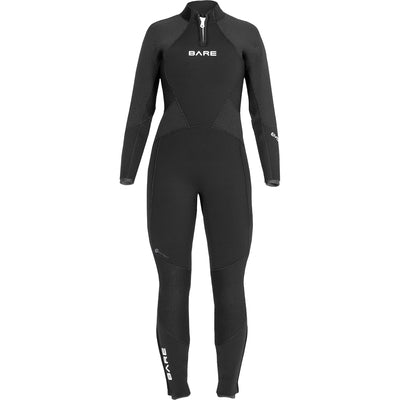
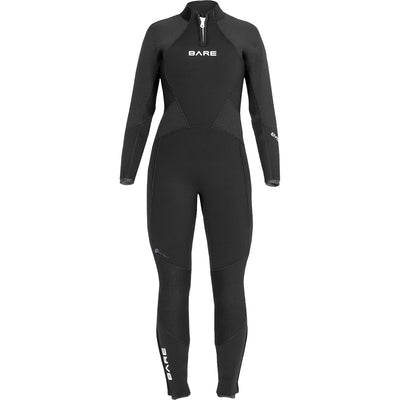
Women's Xenos Arc 7mm Wetsuit
$675.00
-

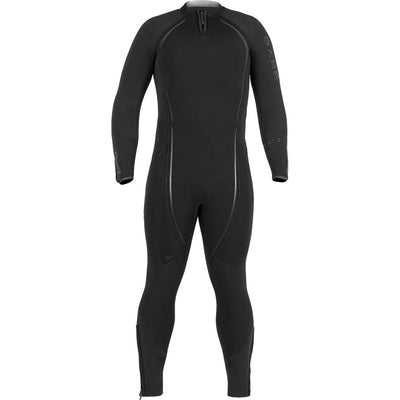
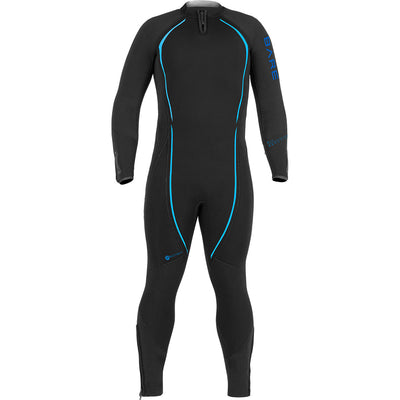
Men's Xenos Arc 7mm Wetsuit
$675.00
Wet Suits
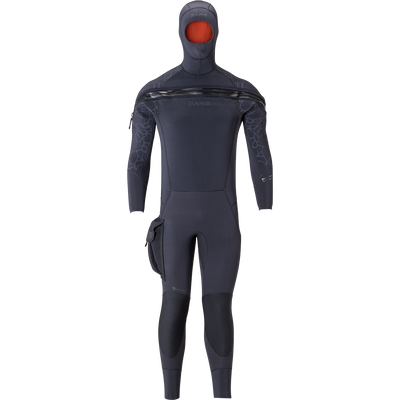
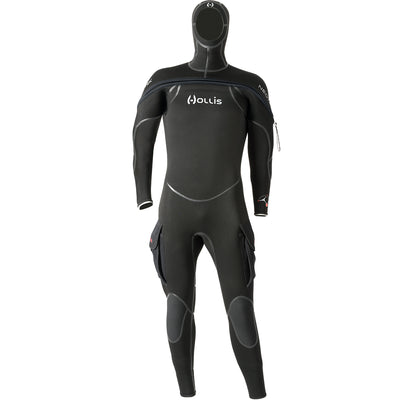
Choosing a wetsuit mostly comes down to water temperature. A 3mm suit is comfortable in water from about 75 to 85°F, and a 5mm suit covers roughly 65 to 75°F. Southern California water usually runs from the mid-50s in winter to around 70 in late summer, so most local divers wear a 7mm suit with a hood. Many switch to a drysuit for winter.
We carry wetsuits from BARE, Mares, Akona and Fourth Element in both men's and women's cuts. A wetsuit should feel snug when it's dry, with no loose spots where cold water can collect. Adding a hood, gloves and boots will keep you noticeably warmer on longer dives.
Shop by thickness with 3mm wetsuits, 5mm wetsuits and 7mm wetsuits, then finish your setup with hoods, gloves and boots.


Wetsuit Thickness & Temperature Guide
| Water Temp (°F) | Recommended Suit | Notes |
|---|---|---|
| 80+ | 2mm shorty or rash guard | Sun & sting protection; minimal warmth |
| 72–79 | 3mm wetsuit full-length | Ideal for Caribbean & heated pools |
| 65–71 | 5mm full suit + hooded vest (optional) | Add gloves in spring surf |
| 58–64 | 7mm semi-dry suit or 7mm farmer-john | Sealed seams cut flushing; boots & gloves a must |
| 50–57 | Semi-dry suit with hood + 5mm gloves | Switch to dry-suit for multi-dive days |
Gear Info
Wetsuit Buying & FAQ
Find the perfect thermal protection for your underwater adventures. Read our fit guide and common FAQs below.
Wetsuit Buying & Fit Guide
- Choose the right thickness. Warm-water diving typically uses 2–3mm suits, while cooler conditions may require 5mm to 7mm for better insulation.
- Decide between full suits and shorty wetsuits. Full suits provide more coverage and warmth, while shorties are lighter and ideal for tropical diving.
- Check fit carefully. A wetsuit should fit snugly without restricting movement, as gaps can allow water to flush through and reduce insulation.
- Consider flexibility and material. Stretch neoprene improves comfort and mobility, especially during longer dives.
Need personal advice? Visit us in store or call (909) 621-4171 to speak with our dive specialists and choose the right wetsuit for your diving environment.
A wetsuit provides thermal insulation by trapping a thin layer of water between your body and the suit, which your body warms to help maintain temperature.
Wetsuit thickness depends on water temperature. Warmer water requires thinner suits, while colder water requires thicker neoprene for better insulation.
A wetsuit should fit snugly like a second skin without restricting breathing or movement. Loose areas can reduce warmth and effectiveness.
Even in warm water, wetsuits provide protection from sun exposure, abrasions, and minor stings, in addition to light insulation.
A full wetsuit covers the entire body, including arms and legs, while a shorty covers the torso with short sleeves and legs, offering less insulation.
With proper care, wetsuits can last several years, depending on usage, material quality, and maintenance.
Yes, wetsuits are suitable for both snorkeling and scuba diving, as they provide thermal protection and comfort in the water.
Key features include fit, thickness, flexibility, durability, seam construction, and overall comfort for your diving conditions.
Shop By Brand


10% OFF
Join our email list to stay updated with the latest from Scuba School of America & Swim, and get 10% OFF your first order! Some exclusions may apply.

OPT IN
FOR TEXT*
Standard messaging and data rates may apply based on your mobile carrier plan.

With promotional financing from SCUBA SCHOOLS OF AMERICA & SWIM, major purchases don't have to wait. Get what you want now and pay over time. Footnote*


